 By admin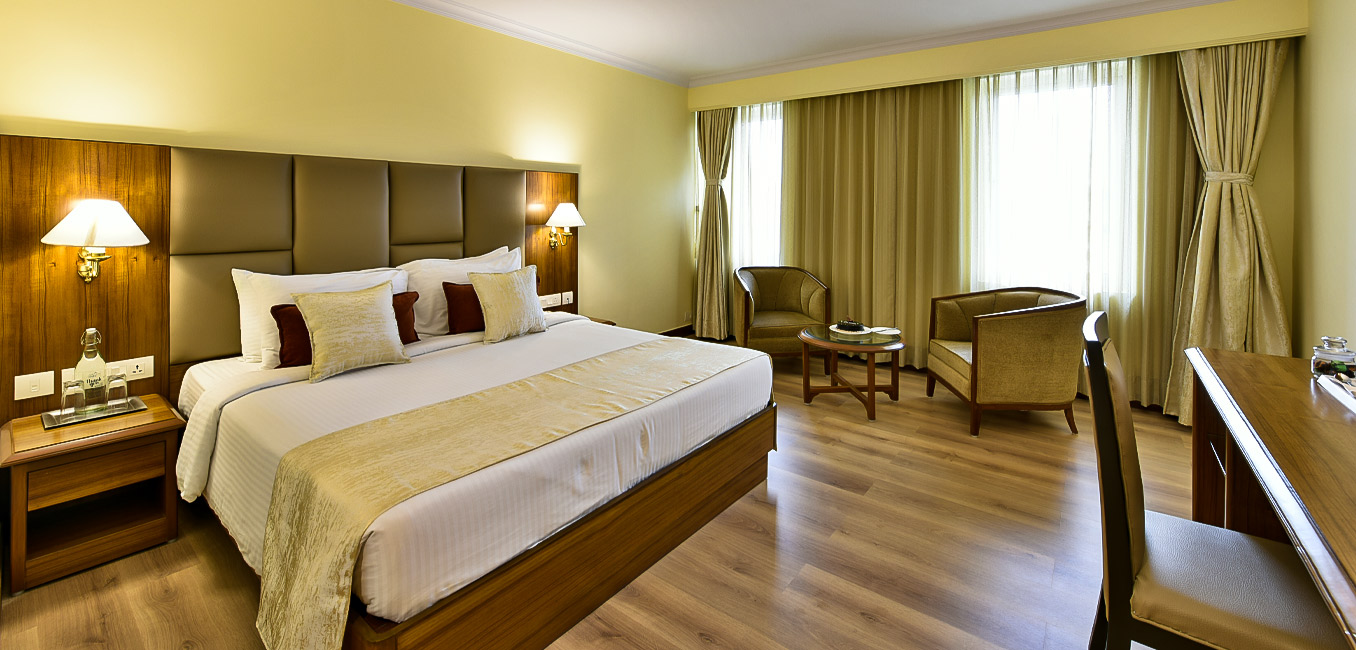
I had built up a fairly confident picture of Coorg before I ever set foot there. Coffee plantations, some early morning mist, and a quiet hill station. I had read enough travel content to feel like I knew what to expect, which, as it turns out, is exactly the kind of preparation that sets you up to be wrong in interesting ways.
The reality of Coorg did not disappoint me. It just repeatedly refused to match the version I had constructed in my head, and the gap between those two things turned out to be the most useful part of the trip.
I Thought It Would Feel Like a Typical Hill Station
This was the first and most persistent misconception. When most people think of Indian hill stations, they think of a town centre, a mall road, a cluster of viewpoints, and accommodation arranged around a central hub. Coorg, or Kodagu as it is officially known, does not work like that at all.
There is no single town that functions as the heart of the destination. Madikeri is the district headquarters and the closest thing to a base. However, Coorg as a travel experience spreads across a wide, forested district where the points of interest are separated from each other by winding roads through estate land. The distances between places look short on a map and take considerably longer to cover than you expect.
I had planned my first day assuming I could cover three or four spots comfortably. I managed two properly. That recalibration happened on day one and shaped the rest of the trip for the better.
I Underestimated How Much the Estates Define the Place
Before visiting, I thought of the coffee and spice plantations as one item on a list of things to do in Coorg. A plantation walk, see some coffee plants, move on. What I did not understand was that the estates are not just an attraction. They are the landscape itself.
Driving between any two points in Coorg means passing through estate land continuously. The smell of coffee blossoms if you visit at the right time of year, the shade of the silver oak trees planted in rows to protect the coffee plants beneath them, and the way the terrain rises and falls through the cultivation. It is not a backdrop.
Staying on a working estate rather than in a conventional property also changed my understanding of the place considerably. I had initially looked at standard hotels in a town setting and sorted out my hotel room booking from the city before leaving. However, I changed my mind at the last minute in favour of a homestay on a coffee estate outside Madikeri.
That last-minute switch turned out to be the best decision I made on the trip. Waking up inside the plantation rather than driving to it from a town hotel produces an entirely different relationship with the landscape.
I Thought One Full Day at Abbey Falls Was Enough
Abbey Falls is the most visited single attraction in Coorg and appears on every itinerary. I had allocated a morning to it and assumed that would be sufficient before moving on to something else.
The falls themselves take about twenty minutes to see. What I had not factored in was the walk through the estate land surrounding them, the suspension bridge approach, and the general atmosphere of the area in the early morning before the larger crowds arrive.
Going early, before nine, means a quieter path and better light through the canopy. I arrived at half ten on my first attempt and found it busy enough to feel rushed. I went back the following morning and found a completely different experience.
What Coorg Actually Rewards
The place responds best to slower movement and less ambitious daily planning. Two nights are not enough, though many people attempt it. Three nights allow the pace to settle. Four gives you room to revisit the spots that earned a second look, which in Coorg tends to be most of them.
The drives themselves are worth treating as part of the itinerary rather than time being lost between attractions. The roads through the Brahmagiri range and the routes towards Nagarhole on the district’s eastern edge pass through a landscape that is as good as anything with a named attraction attached to it. Stopping without a reason and observing something that catches your eye is not a waste of time here. It is usually the point.